

Values In Contrast
Overview: In this interactive values-based activity, students examine how values influence public policy decisions during times of crisis. Students first reflect individually on four core values and consider how these values show up in their own lives. They then physically position themselves in the classroom based on which value they prioritize most.

Truth, Justice, Peace, and Mercy
Overview: Students will learn about practices in reconciliation. By taking on the identities of truth, justice, mercy, and peace, students will think critically about the role that each component plays in reconciliation and rebuilding after conflict.

Considering the Role of Values in History and Governance
Overview: Students will be given a list of 6 or 7 historical or literary actors. They will be asked to rank the actors in order of most to least responsible for a historical or literary event, and then discuss reasoning with their classmates. The goal of this exercise is for students to think of how our different values impact the way we perceive events, responsibility, and the impact of actions.

Identity Mapping
Overview: By considering factors of their own personal identities, students will be prompted to reflect on the role identity plays in shaping peoples’ relationships with themselves, with others, and with the world. This stand-alone activity is perfect for an advisory seminar, homeroom, or community building in any classroom. This activity aims for students to reflect on how they see themselves versus how others see them and how identities can impact a person’s role or participation in society. This activity involves creativity, personal reflection, and intergroup discussion.

Danger of a Single Story Activity: Propaganda and Nationalism in WWII
Overview: This activity connects a fascinating Ted Talk from award-winning author Chimamanda Ngozi with a reflective exercise on propaganda and nationalism in the context of WWII. In Part 1, students watch Ngozi’s Ted Talk and respond to and discuss reflection questions. Teachers can end there or use it as a jumping-off point for a follow-up exercise on propaganda.
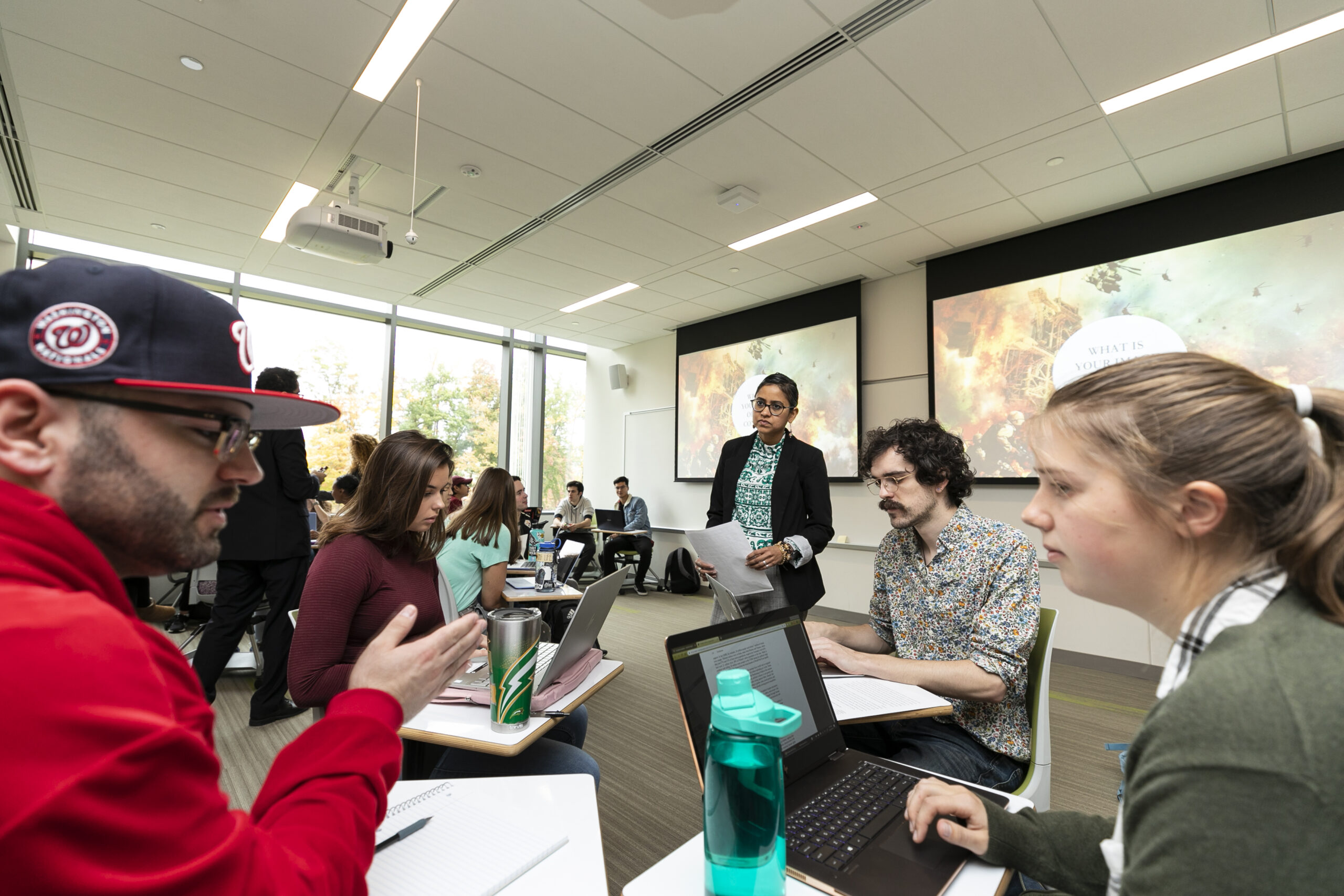
Building Civil Discourse: Stories and Perspectives
Overview: Learning to understand and appreciate different perspectives is a vital part of a functioning society. This activity prompts students to reflect on the value of considering different perspectives and encourages recognition that multiple stories can be true at once.